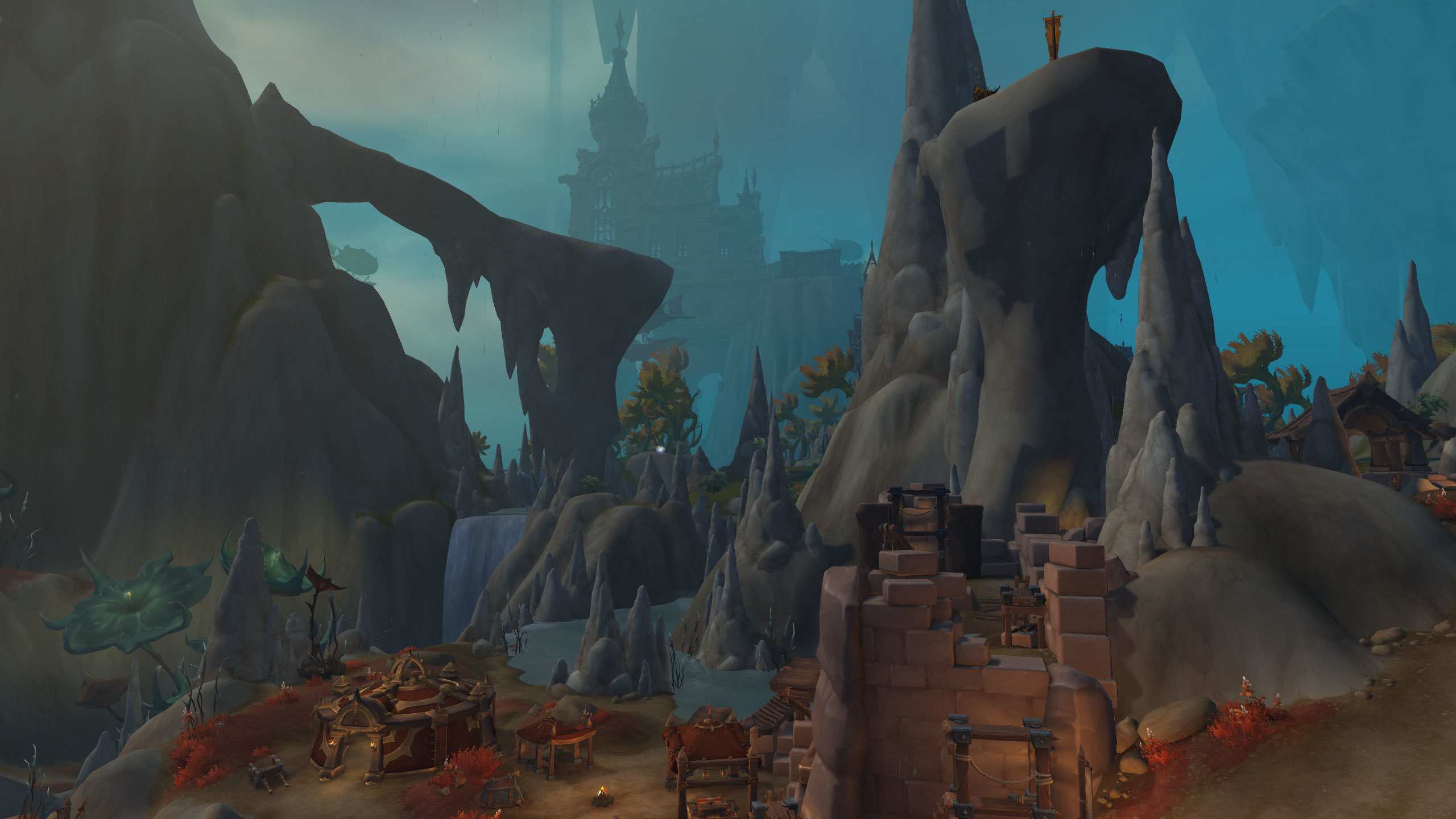
Even if you’ve played countless hours of World of Warcraft and explored dozens of expansions, the zones introduced in The War Within achieve something rare: they feel familiar and yet distinctly new. This isn’t just “another continent” in the Azeroth catalogue, but a layered, vertically-designed, narrative-rich environment that invites exploration, surprises, and depth. In this article we’ll examine what makes the expansion’s zones feel fresh—design choices, world-building, traversal mechanics—and why long-time players are still experiencing discovery rather than deja vu.
We’ll go zone by zone, highlight the design innovations, and show how these changes preserve the sense of wonder even for veterans who’ve seen it all.
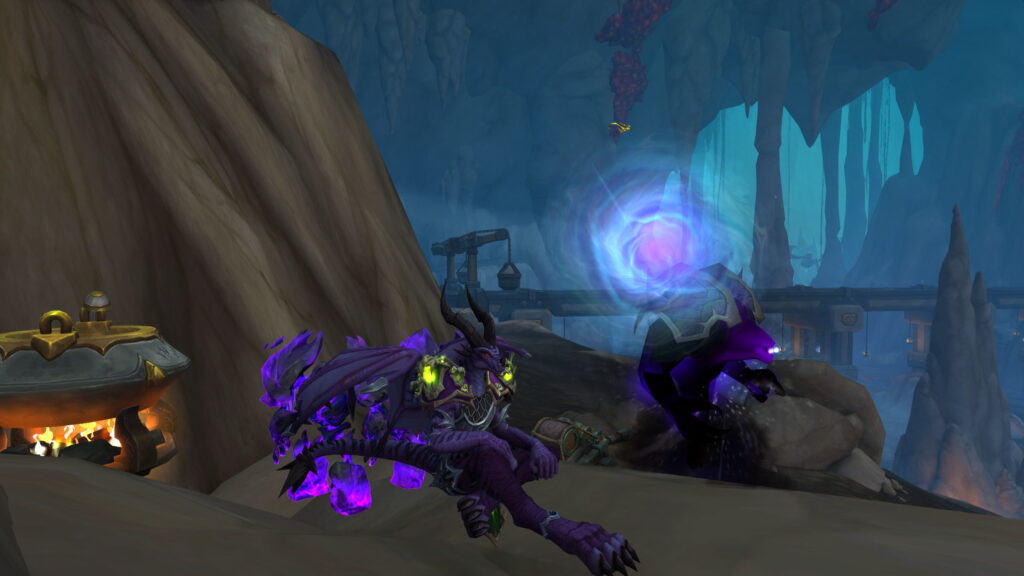
New Verticality and Subterranean Architecture
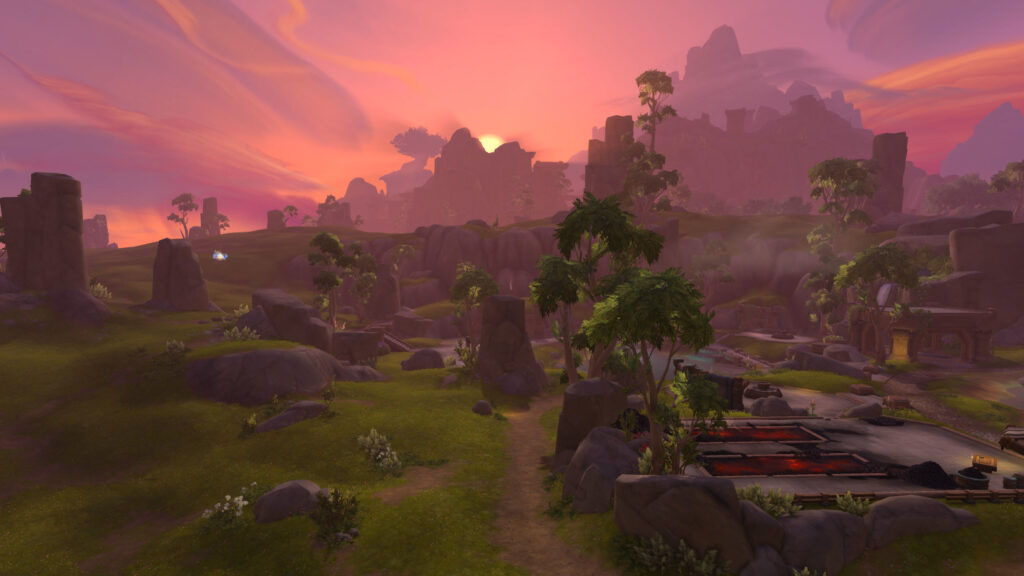
The War Within takes players not just to a new place, but *under* Azeroth’s surface into the subterranean realm of Khaz Algar, which is divided into zones such as the Isle of Dorn, Ringing Deeps, Hallowfall and Azj‑Kahet. :contentReference[oaicite:7]{index=7}
Because the zones are subterranean, the sense of depth—with cavern ceilings, machine-forged architecture, tunnels, great drops and hidden chambers—is stronger than many previous expansions. For veterans used to sprawling surface continents, this change in “vertical orientation” offers a new type of navigation, exploration and “wow” moment. You’re not only going forward; you’re often descending, climbing, weaving through layered strata—which freshens the exploration mindset.
Strong Thematic Identity + Rich Visual Style
Each zone possesses a distinct thematic identity: the Isle of Dorn introduces the Earthen’s ancestral terrain, the Ringing Deeps emphasizes Titan-machinery and molten forges, Hallowfall draws on crystal-lit caverns and root-wilds, and Azj-Kahet channels ancient Nerubian architecture and darkness. :contentReference[oaicite:8]{index=8}
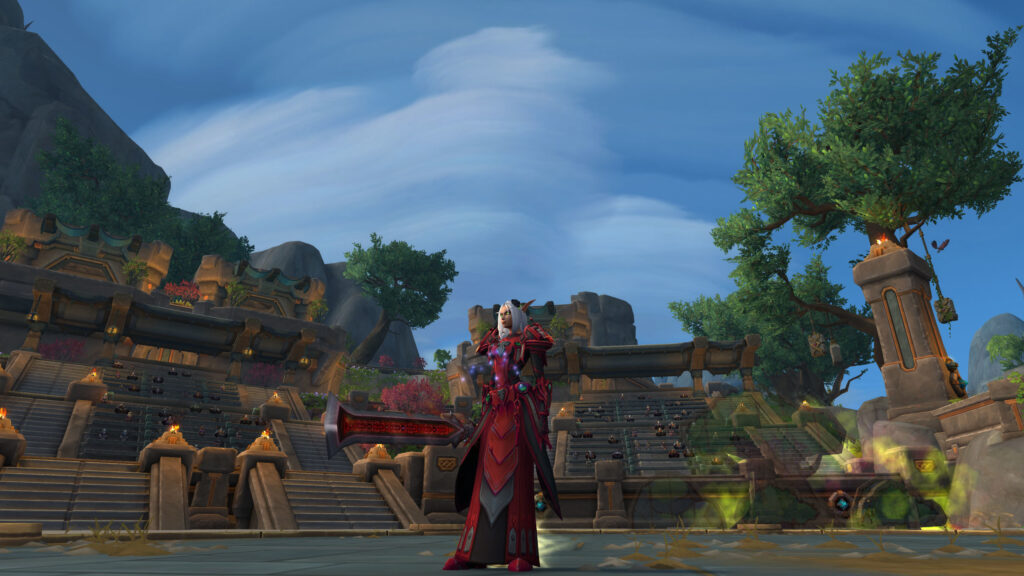
For long-time players, this matters: rather than feel like “yet another forest/plateau/mountain zone,” the new zones present unique environments with their own flavour, lighting, architecture and mood. It’s not just cosmetic—each zone’s design interplays with story, mechanics and traversal (for example, gliding across vast chasms, navigating Titan-forges, exploring root-filled caverns). That layered presentation helps the world feel more alive and memorable, not just “new outline but same formula”.
Traversal Mechanics That Refresh Exploration
Exploration is supercharged in The War Within through new movement options—most notably the gliding/skyriding mechanics (if unlocked) and mounts being used in novel ways in the subterranean setting. :contentReference[oaicite:9]{index=9}
For veterans who might be used to “I’ve flown everywhere” or “I’ve done every mount path,” these zones force you to rethink movement: launch dives from cavern rims, navigate updrafts, weave between mechanical structures, glide across interiors of massive vaults. The sense of “new traversal” helps make even familiar tasks—like questing or world-events—feel different.
Integrated Story + Environmental Exploration
The War Within zones tie their story into the geography deeply. The Earthen society, Titan-forges, ancient machines, hidden threats in the dark—these aren’t just quest text, but embedded in the zone ambience and layout. The article from Blizzard highlights how players “face new dangers in Khaz Algar” with four new level-up dungeons and four max-level dungeons across the zones. :contentReference[oaicite:10]{index=10}
What that means for veterans: you’re rewarded for paying attention. Hidden machines, lore objects, cave entrances you might only have glanced at previously now carry meaning. The environment feels less “painted backdrop” and more “active part of the story” which renews the sense of wonder and discovery even if you’ve seen dozens of lands before.
Balanced Familiarity and Innovation
The expansion hits a sweet spot: while it introduces new mechanics and zones, it doesn’t abandon the core structure that players know—quests, world-events, dungeons, outdoor zones. That familiarity allows veterans to feel at home, but the innovations (verticality, thematic distinctiveness, movement mechanics) prevent things from going stale.
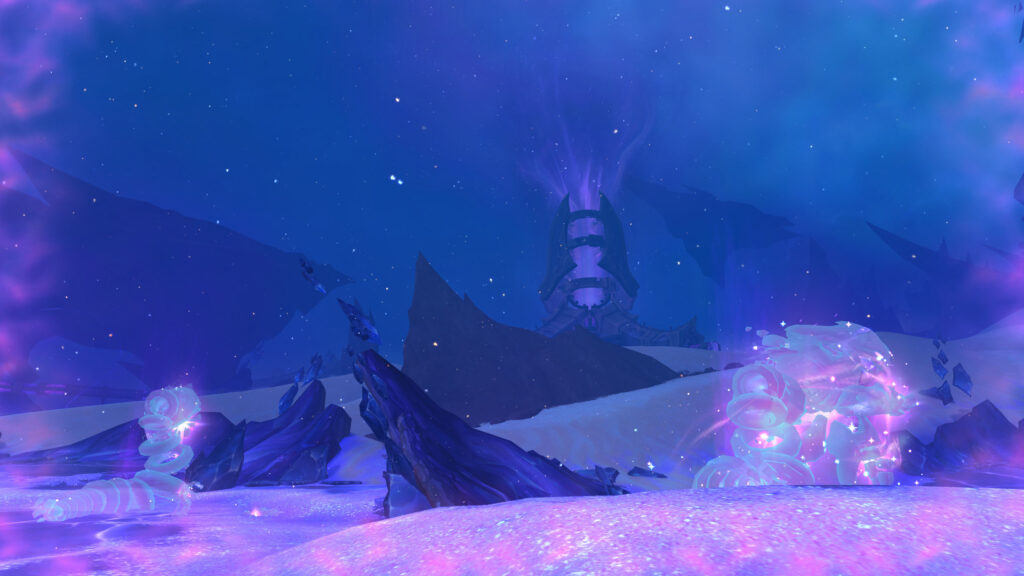
By anchoring in known structure but shifting how you *experience* it, The War Within ensures that even “old hands” feel like they’re exploring rather than doing “another zone.” This is critical for long-term engagement.
Why This Matters for You
If you’re a veteran worried about “been there, done that,” these design choices are geared to re-ignite your exploration instinct. The zones make you pause, look around, and ask “What’s over that cliff? What lies beneath that vent? What happens if I glide down that shaft?”
So don’t rush through. Spend extra time in each zone—even one you might “zip through”—because there are details, hidden paths, vertical vistas and interactions that reward curiosity. For someone who’s done many expansions, The War Within zones give you new reasons to slow down, explore, and appreciate world-craft. That in itself is a fresh experience.
Conclusion
The War Within’s zones feel fresh—even for seasoned players—because they combine new spatial design, strong thematic identity, innovative traversal and story-rich environments, all while remaining tethered to the gameplay you know. If you treat the zones as more than “just quests” and engage their depth, you’ll find that this expansion isn’t just another stop—it’s a meaningful evolution in world design for WoW.
Take your time. Explore the depths. You’re seeing Azeroth from new angles—and that makes all the difference.